Wood-Burning Stove Broken in a Rental Apartment: Who Pays in Germany?
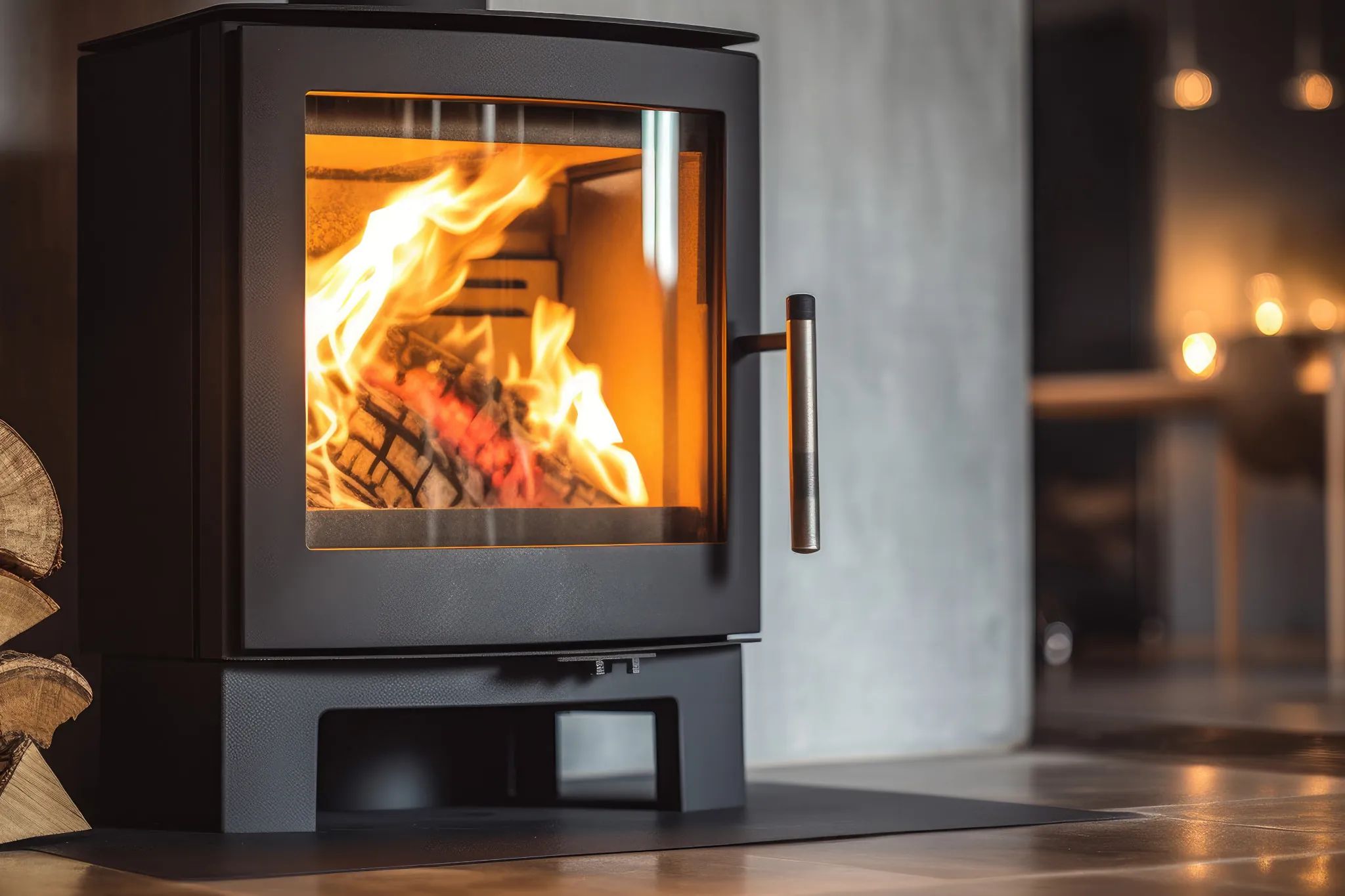
A wood-burning stove (Kaminofen) can be a major comfort feature—especially in winter. But when the stove stops working, landlords and tenants quickly ask the same question:
Who pays for the repair or replacement in Germany—the landlord or the tenant?
The answer depends on three key factors:
- Is the stove part of the rented property (Mietsache)?
- Is it normal wear and tear—or tenant-caused damage?
- Does the lease include a valid minor repairs clause (Kleinreparaturklausel)?
This guide explains the typical legal framework and the practical steps landlords should take to resolve the issue fast and avoid disputes.
First Steps When a Tenant Reports a Defect
When a tenant reports a broken stove, a structured process helps prevent safety risks, rent reductions, and confusion about costs.
1) Request a written defect report
Ask the tenant to send the issue in writing (email is fine), including:
- what happened and when
- visible symptoms (smoke leakage, cracks, broken glass, poor draft, unusual smells)
- photos of affected parts (glass, door seal, firebox lining, flue connection)
2) Use qualified professionals
A wood-burning stove is a safety-relevant heating device. In many cases, neither tenant nor landlord can reliably identify the cause.
Depending on the issue, involve:
- a chimney sweep (Schornsteinfeger) for draft / compliance / safety checks
- a stove installer / heating specialist (Ofenbauer / Heizungsfachbetrieb) for technical diagnosis and repair quotes
3) Secure the situation (safety first)
If there is any potential risk (smoke gas leakage, fire hazard, damaged flue), the stove should be taken out of operation until cleared by a professional.
If the stove is essential for heating, ensure the tenant has reasonable alternative heating options (e.g., central heating working, temporary electric heaters where appropriate).
Landlord’s Maintenance Obligation (§ 535 BGB)
As a general rule in German tenancy law:
The landlord must keep the rented property in a condition fit for contractual use. (§ 535 BGB)
If a wood-burning stove is provided with the apartment—installed at handover, listed in the inventory, or otherwise clearly included as part of the rental—then the landlord typically must:
- arrange inspection and repairs, and
- pay for repair or replacement
When the landlord usually pays
The landlord is typically responsible when:
- the stove is part of the rental, and
- the defect results from normal wear and tear or age-related issues, and
- there is no proven tenant fault
Examples often considered wear/aging:
- worn door seals
- cracked firebrick / chamotte lining over time
- corroded internal components
- performance decline due to age (depending on cause and maintenance history)
Exceptions: When the Tenant May Have to Pay
There are two common exceptions where the tenant may bear costs.
1) Tenant-caused damage (negligence or misuse)
If the defect was caused by improper use, the tenant can be liable—but the landlord must be able to prove it (often via expert opinion).
Typical examples:
- using forbidden fuel (treated wood, waste, high-resin materials)
- overheating the stove leading to cracked glass or warped components
- failure to follow basic operating instructions, causing avoidable damage
- obvious neglect that directly contributed to the defect
If tenant fault is established, the landlord can claim damages, and a tenant’s private liability insurance may cover the claim depending on policy terms.
2) Minor repairs clause (Kleinreparaturklausel)
Many leases include a minor repairs clause requiring tenants to pay for small repairs up to a defined limit (e.g., €75–€120 per incident and an annual cap).
Important: these clauses are interpreted narrowly. They typically apply only to:
- small, low-cost parts
- items subject to frequent tenant use
- within the contractual cost cap
For a wood-burning stove, a minor repair could sometimes be:
- a small seal replacement
- a small handle/fastener repair
- minor adjustments within low cost limits
But major repairs (firebox damage, flue connection issues, replacing the stove) generally do not fall under minor repairs.
Normal Wear vs. Damage: How to Tell the Difference
Cost responsibility usually turns on whether it’s:
Normal wear and tear
Wear due to ordinary use over time is typically the landlord’s responsibility.
Indicators:
- gradual decline
- age-related material fatigue
- common consumables wearing out (within reason)
Tenant-caused damage
Damage is more likely when:
- it happens suddenly after a specific incident
- it matches known patterns of misuse (e.g., overheating → cracked glass)
- professional assessment finds clear causal links to improper operation
Best practice for landlords:
Document everything—photos, dates, professional findings, quotes, and communication. Clear documentation reduces disputes and speeds up resolution.
What If Repairs Take Too Long? Tenant Rights and Rent Reduction
If a provided heating feature is defective, tenants may be entitled to reduce rent if usability is materially affected.
Key points in practice:
- tenants must notify the landlord of the defect
- they must allow a reasonable deadline for repair
- the severity matters:
- if the stove is just an “extra” next to central heating, rent reduction may be small
- if it’s essential for heating, the impact is greater—especially in winter
In certain cases after unsuccessful deadlines, tenants may consider having repairs done themselves and claiming costs (often discussed under § 536a BGB), which is another reason landlords benefit from fast action.
Special Case: The Stove Is Not Part of the Lease
Sometimes the stove exists in the apartment, but it is not part of the rented property.
This can happen when:
- the tenant installed the stove (with permission), or
- the tenant bought it from a previous tenant and it’s documented as tenant property
In that case:
- the tenant typically pays for repairs/replacement of their own stove
- the landlord’s duty is usually limited to providing a usable connection / chimney infrastructure (within the agreed scope)
Landlord tip:
Avoid ambiguity. If a stove is present, clarify in the lease whether it is:
- included as part of the rental, or
- provided “as-is” without maintenance duty (where legally permissible), or
- tenant-owned
Insurance: Which Policy Might Pay?
Depending on the cause, different insurance policies can be relevant:
- Building insurance (landlord): may cover damage tied to insured events (e.g., fire-related building damage), depending on the policy and whether the stove is treated as part of the building.
- Household contents insurance (tenant): covers the tenant’s belongings (e.g., smoke damage to furniture), not the landlord’s stove.
- Private liability insurance (tenant): may cover tenant-caused damage to the landlord’s property (e.g., broken stove glass due to negligence), subject to policy conditions.
Practical Checklist for Landlords (Fast Resolution, Fewer Conflicts)
- Get a written defect report + photos
- Temporarily shut down the stove if safety is uncertain
- Involve chimney sweep / specialist early
- Determine whether it’s wear vs. misuse
- Check lease clauses: stove included? minor repairs clause?
- Communicate timeline and next steps clearly
- Keep records for potential insurance or liability questions
Final Tip: Prevent Stove Disputes with Digital Maintenance Tracking
Wood-burning stoves involve safety checks, inspections, and coordinated repairs—especially when multiple apartments are involved.
With Rentmio, landlords can:
- receive and document defect reports digitally
- track inspections and maintenance cycles
- store quotes, invoices, and communication in one place
- respond faster (and reduce rent reduction risk)
Try Rentmio to keep property maintenance organized—so winter stays warm and tenant communication stays smooth.
Frequently Asked Questions (FAQ)
Does the landlord have to repair or replace a broken wood-burning stove?
Usually yes—if the stove is part of the rented property. Under § 535 BGB, landlords must maintain the apartment in a contractually compliant condition, including provided heating features like a built-in stove, unless the tenant caused the damage.
When does the tenant have to pay?
If the damage was caused by improper use or negligence and the landlord can prove it. In many cases, a tenant’s private liability insurance may cover the claim depending on the policy.
Can a minor repairs clause make the tenant pay?
Sometimes, but only for small, inexpensive parts and only if the clause is valid and within the contractual cost limits. Larger repairs or replacement are generally the landlord’s responsibility.
Can the tenant reduce rent if the landlord delays repairs?
Potentially yes. After notifying the landlord and allowing a reasonable deadline, tenants may reduce rent if the defect materially reduces usability—especially if the stove is essential for heating.
Who pays chimney sweep inspections and ongoing costs?
Chimney sweep services are often apportionable operating costs if agreed in the lease. Day-to-day care is typically the tenant’s duty, while major maintenance and repairs usually remain the landlord’s responsibility.