Mould in a Rental Apartment in Germany: When a Surveyor (Gutachter) Makes Sense
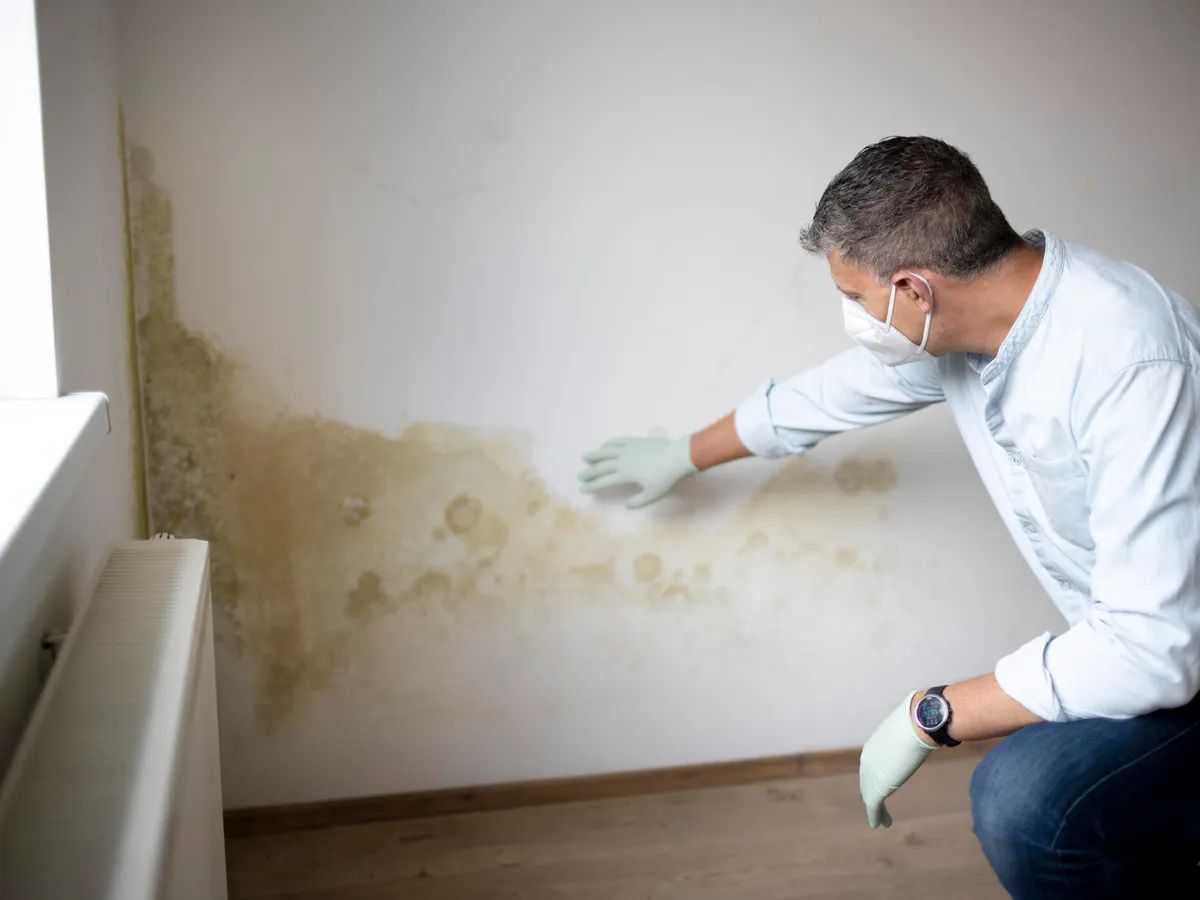
Damp patches on the wall, a musty smell in the room—mould (mold) in a rental apartment is a nightmare for both landlords and tenants. It looks unpleasant, can damage the building fabric, and may affect residents’ health. It also often leads to conflict: who caused it, who must fix it, and who pays?
In exactly these situations, an independent mould surveyor / expert (Gutachter) can help. A neutral specialist can identify the root cause and support a fair, evidence-based resolution.
This guide explains—clearly and practically—when hiring a mould expert makes sense, what the key rights and duties are for landlords and tenants in Germany, and how to handle mould reports professionally to protect safety, trust, and property value.
Note: This article provides general information for Germany and is not a substitute for legal advice in a specific case.
Mould in the Apartment: Common Causes and Real Risks
Mould grows where moisture meets nutrients (e.g., wallpaper paste, dust, paint, plaster). In residential properties, typical causes include:
- insufficient or incorrect ventilation
- heating habits that allow surfaces to cool too much
- building defects (thermal bridges, poor insulation, leaking windows)
- water damage (pipe leaks, roof leaks, flooding)
Mould problems are especially common in autumn/winter: indoor air is warmer and more humid, exterior walls are cold, and condensation forms more easily—particularly in corners, behind furniture, or on poorly insulated surfaces.
Health risk
Indoor mould exposure can contribute to:
- allergic reactions
- respiratory irritation
- headaches and fatigue
- worsening of asthma or chronic conditions (in sensitive individuals)
Landlords should treat every mould report seriously—even small spots can indicate a larger moisture issue.
High conflict potential
Once mould is visible, the key dispute begins:
- tenant behaviour (ventilation/heating, drying laundry indoors), or
- landlord/building responsibility (defects, leaks, thermal bridges)?
This distinction determines who pays for remediation and whether rent reduction might be justified. And often, the answer is not obvious without technical measurement.
Rights and Duties: Landlord vs Tenant (Germany)
Tenant duty: report immediately
Tenants should notify the landlord/property manager as soon as mould is discovered—ideally in writing and with photos. Tenants should not “wait and see,” and they should not reduce rent without first reporting the issue and giving the landlord a chance to investigate.
Delays can increase damage and complicate liability.
Landlord duty: investigate and remedy
Under German law, landlords must keep the rented property suitable for contractual use (commonly referenced under § 535 BGB). If mould appears, landlords should respond quickly by:
- arranging an inspection (technician, moisture measurement), and/or
- commissioning an independent expert if the cause is unclear
If the cause is a building defect (leaks, insulation problems, thermal bridges, structural damp), the landlord must remedy the defect and arrange professional mould remediation.
Tenant duty: reasonable ventilation and heating
Tenants must use the apartment in a way that does not create avoidable damage. In practice, that usually includes:
- ventilating regularly (especially after showering/cooking)
- avoiding permanent “tilt ventilation” in winter (short, intense airing is often more effective)
- not letting rooms cool excessively for long periods
- placing large furniture slightly away from cold exterior walls
- managing humidity (especially when drying laundry indoors)
If mould is clearly caused by tenant behaviour, the landlord may argue that it is not a defect of the rental property, and that the tenant is responsible for remediation costs and has no right to rent reduction.
Burden of proof: why cases often go technical
In mould disputes, courts often look closely at evidence. In practice, landlords usually need to show that building-related causes have been checked and excluded (or confirmed). If the cause remains uncertain, this is exactly where an expert report becomes valuable.
When Is a Mould Surveyor (Gutachter) Worth It?
A mould expert is especially useful when the situation is unclear, recurring, or heading toward conflict. Common scenarios include:
- Cause unclear: Mould appears despite “normal” ventilation—or the tenant claims correct behaviour and the landlord suspects a hidden defect.
- Recurring mould: It keeps coming back in the same location after cleaning or partial repairs—often a sign the root cause wasn’t fixed.
- Large or multi-room damage: If entire walls or multiple rooms are affected, a professional assessment is safer and more cost-effective than guessing.
- Rent reduction / legal dispute risk: If the tenant threatens rent reduction or compensation, a neutral report can establish facts early and prevent escalation.
- Insurance involvement: If mould follows water damage (pipe burst, storm ingress), insurers often require documentation of cause and scope.
In short: the expert adds technical clarity and neutrality—reducing the risk of expensive “wrong fixes” and long disputes.
What Does a Mould Surveyor Actually Do?
A good mould expert investigates the situation holistically and typically includes:
1) On-site inspection
- maps visible mould, staining, odours
- documents extent and location (photos, notes)
- checks adjacent rooms (and sometimes neighbouring units)
2) Measurements
- material moisture in walls/floors
- indoor humidity and temperature
- often identifies condensation risk (e.g., dew point)
- may use thermography to detect cold spots/thermal bridges
3) Root cause analysis
They assess potential building factors:
- leaking windows/roof
- façade defects
- thermal bridges (cold corners, slab edges)
- pipe leaks behind walls
- rising damp (where relevant)
4) Behaviour context (without blame-by-default)
The expert may ask about:
- ventilation frequency
- heating patterns
- furniture placement
- laundry drying
- humidity sources (aquariums, many plants)
Good experts don’t just “pick a side”—they test hypotheses with measurements.
5) Sampling (when needed)
Sometimes material or air samples are taken for lab analysis—more common when:
- health symptoms are reported,
- the mould type is disputed,
- the contamination is widespread.
6) Written report
The final report usually includes:
- documentation + measurement results
- cause assessment (often with likelihood weighting)
- recommendations for proper remediation (and prevention measures)
Cost of a Mould Expert Report—and Who Pays?
Costs vary by region and complexity.
- Small apartment / limited issue: sometimes a site visit + short report starting around €200–€300
- Larger cases (multiple rooms, detailed measurements, lab work): several hundred to €1,000+
Who pays depends on:
- who commissioned the report, and
- what the report finds (building defect vs user behaviour), and
- any agreement between landlord and tenant
Practical payment scenarios
- Building defect confirmed: the landlord typically bears costs (and remediation).
- Tenant behaviour clearly causes mould: the tenant may be liable in principle, but reimbursement often depends on enforceability and documentation.
- Joint commissioning: landlord and tenant agree upfront to appoint a neutral expert and to allocate costs based on the findings (often the healthiest approach to avoid escalation).
- Legal protection insurance / court proceedings: if the dispute goes to court, the court may commission its own expert; costs become part of the legal costs.
Important operational point: if a tenant unilaterally orders an expert while the landlord is actively investigating, reimbursement claims can become complicated. For landlords, reacting quickly and documenting steps is often the best protection.
Real-World Example: Expert Clarifies a Dispute
Case 1 (building defect):
Black mould appears in winter on the bedroom exterior wall. The tenant threatens a 20% rent reduction. The landlord suspects the tenant rarely heats and dries laundry indoors. An expert assessment finds: ventilation is suboptimal, but the decisive factor is thermal bridging at a concrete slab edge causing heavy condensation. Result: the landlord must remediate and improve insulation at the critical points; a rent reduction may be considered until the issue is resolved.
Case 2 (user behaviour):
Small mould spots behind a wardrobe. The landlord commissions an expert immediately. Measurements show consistently high indoor humidity (over ~70%) and poor ventilation, plus furniture placed flush against a cold exterior wall. The tenant changes behaviour and relocates furniture; mould stops recurring. The expert visit costs money—but prevents a long conflict.
Practical Landlord Tips for Handling Mould
- Prevent before you repair: maintain windows, roofs, façade; address minor leaks quickly; reduce thermal bridges during renovations.
- Set expectations at move-in: provide a short ventilation/heating guideline (especially for well-sealed buildings).
- Act fast on reports: schedule an inspection quickly; document with photos and notes.
- Be evidence-driven: avoid accusing tenants without proof; investigate building causes properly.
- Use neutral specialists: if it’s unclear, commission an independent expert (not only a contractor trying to sell a specific remediation package).
- Communicate clearly: explain next steps and timelines; tenants who feel heard are less likely to escalate immediately.
- Put agreements in writing: temporary rent adjustments, access arrangements, behaviour changes—document them.
- Fix the cause, not just the stain: surface cleaning alone rarely solves structural moisture or repeated condensation patterns.
FAQ: Mould and Hiring a Gutachter
Who pays for the mould expert report?
Often the party responsible for the cause. If a building defect is the root cause, the landlord typically pays. If tenant behaviour clearly caused the mould, the tenant may be liable. In practice, the commissioning party usually pays first and reimbursement depends on findings or agreement.
Can tenants reduce rent because of mould?
Potentially yes—if mould materially restricts normal use and the landlord is responsible or does not remedy it promptly. Tenants must notify the landlord and allow time to investigate and fix the issue before reducing rent.
How does proper mould remediation work?
First: remove or fix the moisture source (leak repair, insulation/thermal bridge measures, drying). Then: professional removal (and, where needed, removal of contaminated materials like wallpaper or plaster). Larger cases often require containment measures to prevent spreading spores.
How can landlords prevent mould?
Maintain the building envelope, reduce thermal bridges where feasible, and ensure bathrooms/kitchens are properly ventilated. Give tenants guidance and encourage humidity monitoring (hygrometer; often target 40–60% relative humidity).
When should a landlord hire an expert?
When the cause is unclear, mould returns after prior measures, damage is extensive, rent reduction/legal action is threatened, or insurance evidence is needed. In general: sooner is cheaper than later.
Conclusion
Mould is a sensitive, high-stakes issue for landlords—health, building value, and tenant relationships can all be affected. Acting quickly, documenting properly, and using an expert when needed helps clarify causes and prevent costly disputes.