Can a Landlord Ban Cats in Germany?
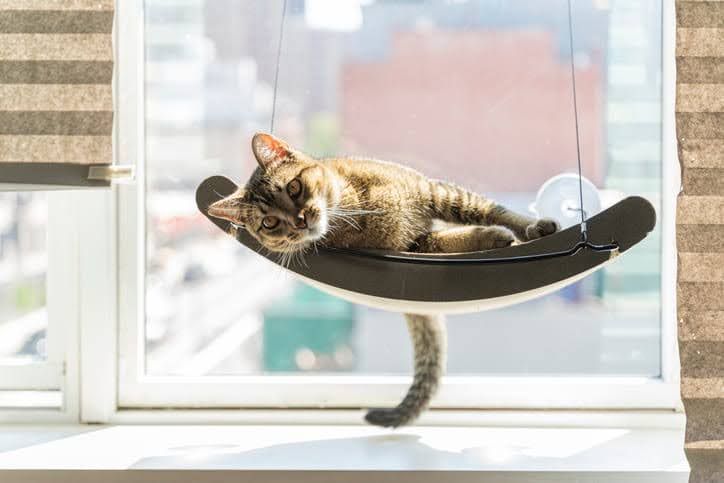
Can a landlord ban cats in Germany? This question comes up constantly for private landlords and property managers—especially in multi-unit buildings where neighbors, noise, and potential damage can become sensitive topics.
For many tenants, a cat is family. For landlords, the priority is protecting the property and maintaining peace in the building (Hausfrieden). The good news: German tenancy practice is usually clear and pragmatic—no blanket “cats forbidden” rule, but also no automatic right to keep any number of pets without limits.
This guide explains how cat keeping (Katzenhaltung) is typically handled under German residential tenancy principles, which lease clauses are commonly used, when a landlord can reasonably refuse, and how to manage requests (and conflicts) in a way that saves time and avoids escalation.
The Legal Baseline in Germany: No Blanket Ban, Case-by-Case Balance
In Germany, general “no cats/no dogs” clauses in standard-form residential leases are widely considered problematic. Courts expect an individual assessment that weighs interests fairly:
- tenant’s interest in keeping a pet (normal living needs),
- landlord’s interest in protecting the property,
- neighbors’ interests (noise, hygiene, allergies, safety).
That’s why many landlords use a consent clause instead of a total prohibition: it keeps control in the landlord’s hands while still allowing a fair decision in each case.
Is a Cat a “Small Pet” (Kleintier) in Germany?
You’ll often hear “cats are small pets.” In practice, cats sit in a middle zone:
- Truly small pets (fish, hamsters, birds in typical numbers) are commonly treated as part of normal residential use.
- Cats (and dogs) are often treated as “larger pets” where the specific circumstances matter.
So: don’t rely on a single label (“small pet”) to decide. Treat cat requests as a case-by-case decision, especially in shared buildings.
What Lease Clauses Work Best for Landlords?
1) The safest practical approach: “Cats only with prior consent”
A common clause landlords prefer (in plain English) is:
“Keeping cats and dogs requires the landlord’s prior consent.”
This is usually easier to defend than a blanket ban because it signals:
- the tenant must ask first, and
- the landlord must decide reasonably.
Best practice: Give consent for a specific cat, not “cats in general.”
Example: “Permission for one indoor cat (name/description), effective from [date].”
That avoids misunderstandings later (second cat, replacement cat, etc.).
2) Avoid: “All pets are forbidden”
Rigid total bans in standard clauses often create disputes and can backfire legally. They also strain the tenant relationship—especially when the building already has pets.
3) Individual agreements can be different
If something is truly negotiated individually (not just pre-printed boilerplate), the situation can change. But in day-to-day property management, it’s usually smarter to use a consent-based clause with a documented decision process.
When Can a Landlord Refuse a Cat? Practical “Objective Reasons”
Landlords in Germany generally need factual, objective reasons to refuse a cat request. Typical examples include:
Severe allergies in the building
If a neighbor has a proven, serious cat allergy, the landlord may have a stronger basis to refuse—especially in buildings where shared areas make exposure likely.
Significant nuisance: odor, hygiene, noise
Cats are often quiet, but problems can happen:
- strong litter odors affecting common areas,
- repeated complaints about noise (night-time vocalization),
- hygiene issues (soiling in hallways/basement/shared laundry rooms).
Concrete risk or history of property damage
Refusal is easier to justify if there’s a real, specific concern such as:
- documented prior damage in the unit (scratched doors, damaged floors),
- high-value finishes that have already been harmed,
- a tenant refusing reasonable protective steps (scratching posts, nail caps, proper litter setup).
Too many animals (“small zoo” / over-occupation with pets)
One indoor cat is rarely the issue. Multiple cats—especially in a small apartment—can push the situation beyond normal residential use due to hygiene, odor, and wear.
A Landlord Workflow That Prevents Disputes
When a tenant asks to keep a cat, use a simple, consistent process:
Step 1: Ask for basic details (in writing)
- How many cats? Indoor-only or outdoor?
- Age, temperament, neutered/spayed?
- Any prior pet references (optional, but helpful)
- Confirmation the tenant will prevent nuisance and damage
Step 2: Check the building context
- Are there known allergy cases?
- Are there existing pets (consistency/fairness matters)?
- Any prior pet-related complaints in the unit?
Step 3: Decide and document
If you approve, write a short permission note with conditions such as:
- max number of cats (usually 1 unless clear reasons allow more),
- indoor-only (if relevant to the building),
- no nuisance / no damage clause,
- obligation to restore damages at move-out.
Step 4: Store everything centrally
Keep the request, your decision, and any conditions in one place—this is exactly where digital landlord tools save time.
What If the Tenant Gets a Cat Without Permission?
If your lease requires consent and the tenant moves in a cat anyway:
- Talk first (many tenants misunderstand the clause).
- If needed: issue a written warning (Abmahnung) requesting compliance within a deadline.
- If problems persist and the tenant refuses to cooperate, legal escalation is possible—but in practice, outcomes depend heavily on:
- severity of nuisance/damage,
- how reasonably the landlord acted,
- whether lesser measures were attempted first.
Damage, Liability, and Insurance
If a cat causes damage beyond normal wear:
- the tenant can be liable for repair/restoration costs,
- claims may be settled via deposit and/or the tenant’s liability insurance (policy-dependent).
Landlords reduce risk by:
- documenting the apartment condition at handover (photos + protocol),
- requiring prompt reporting of damage,
- setting clear expectations (scratching protection, cleaning standards).
Special Case: Assistance / Therapy Animals
Even though cats are less common as assistance animals, the general principle is:
- medically necessary assistance animals can require special consideration,
- rigid bans are especially risky in these situations.
When in doubt, landlords should handle these cases carefully and document the balancing of interests.
FAQ: Cats in German Rental Apartments
Can a landlord impose a blanket ban on cats in a rental apartment in Germany?
Generally no. Blanket pet bans in standard-form residential leases are typically invalid. Instead, landlords should assess cat keeping on a case-by-case basis and weigh interests fairly.
What if the lease contains a pet ban?
Rigid bans are usually unenforceable as standard clauses. Individually negotiated agreements or clauses requiring prior consent can be valid—especially if applied reasonably and consistently.
Does a tenant always need permission to keep a cat?
It depends on the lease. If the contract requires consent for cats, the tenant should ask first. If there’s no clear rule, keeping a single indoor cat is often acceptable unless concrete reasons speak against it.
Which reasons can justify refusing a cat?
Objective reasons like severe allergies, significant nuisance, proven damage risk, hygiene issues, or excessive numbers of animals.
Can a landlord terminate a lease because of an unauthorized cat?
In theory yes, but it’s uncommon. Usually a warning is required first, and termination tends to depend on a serious, ongoing breach—especially if the tenant refuses to comply.
Keep Pet Decisions Simple With RentMio
Cat requests are a classic “small topic that becomes a big dispute” when documents are missing and communication is scattered.
With RentMio, you can:
- collect pet requests digitally,
- store approvals/conditions per unit,
- track complaints and follow-ups,
- keep a clean audit trail (helpful if conflicts escalate).
Try RentMio to manage everyday landlord decisions—fast, consistent, and stress-free.